Driving Privileges In Pakistan: Types of Driving Licenses
Navigating the roads of Pakistan requires more than just skill; it requires a precise understanding of which vehicle you are legally allowed to operate. The licensing system is categorized based on vehicle weight, engine capacity, and the purpose of the vehicle (private vs. commercial). This guide clarifies the different license types and clears up common misconceptions regarding international classification terms.
The Pakistani licensing system is a structured framework designed to categorize drivers based on their technical proficiency and the mechanical demands of the vehicle. Understanding these distinctions is not merely about compliance; it is about knowing the legal boundaries of your mobility. Whether you are navigating urban streets in a private sedan or transporting goods across the motorway in a heavy-duty truck, your license must mirror your responsibility.
The Seven Core Pillars Of Vehicle Classification
The Licensing Authority in Pakistan recognizes several distinct tiers of operation. While many citizens believe a single license covers all vehicles, the law bifurcates permissions into seven primary streams:
- Motorcycle: The foundational tier for all two-wheeled motor vehicles regardless of engine displacement.
- Motor Car / Jeep: The standard non-commercial authorization for private four-wheeled transport.
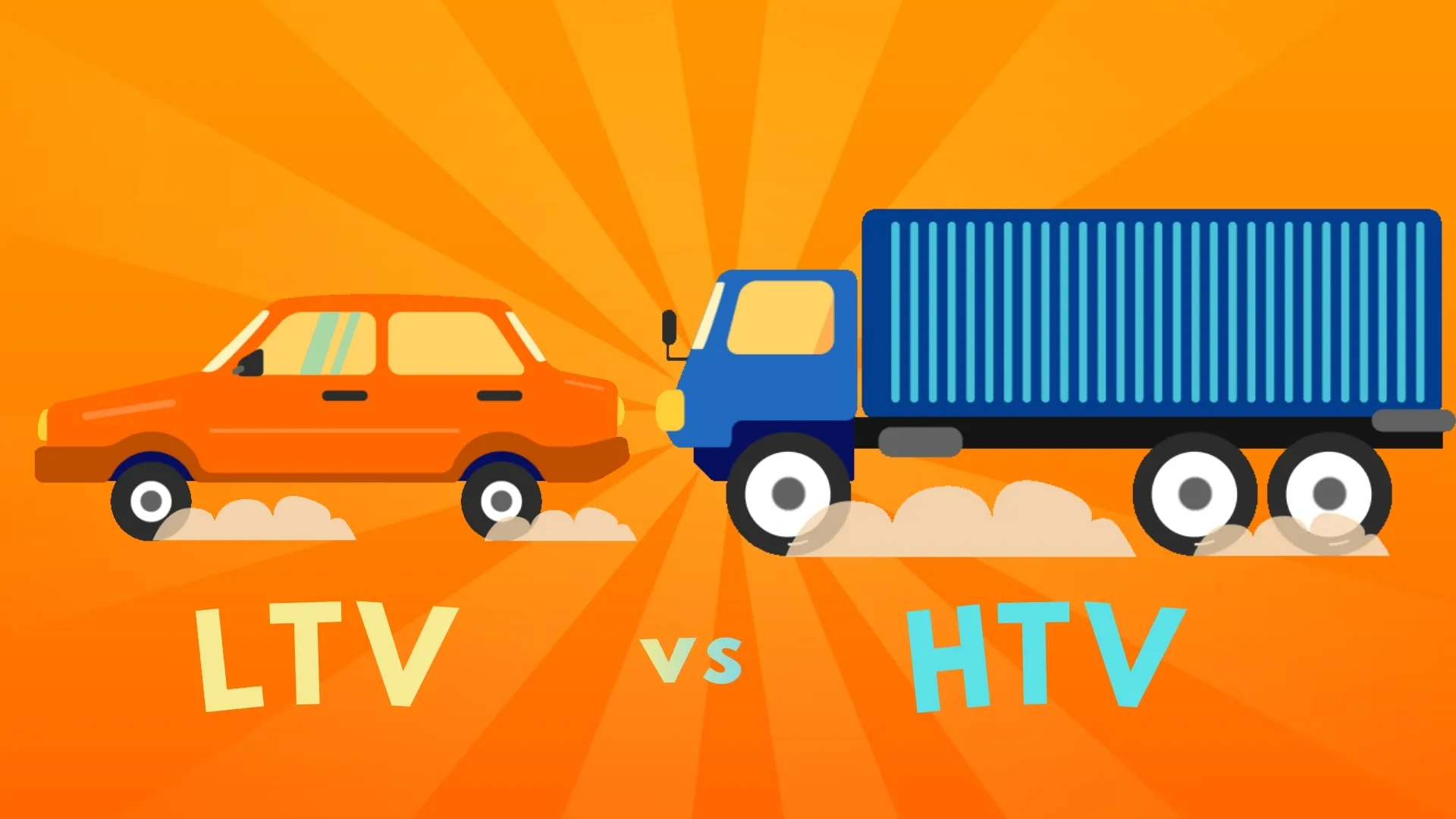
- LTV (Light Transport Vehicle): A commercial-grade permit for small-scale transport like taxis and delivery vans.
- HTV (Heavy Transport Vehicle): The professional tier for operating buses, large trucks, and trailers.
- Tractor (Agricultural): Exclusive authorization for farming machinery on public roads.
- Tractor (Commercial): Required for industrial haulage and construction-site machinery.
- Invalid Carriage: A specialized category for vehicles modified for drivers with physical disabilities.
Beyond Private Transport: The Transition From Motor Car To Ltv
A common point of legal friction is the distinction between a private Motor Car license and an LTV (Light Transport Vehicle) permit. While the vehicles may appear similar in size, the legal application is vastly different.
A Motor Car License is strictly for personal, non-remunerative use. If you are driving a family SUV or a hatchback, this is your requirement. However, the moment a vehicle is used for commercial gain—such as a taxi, a ride-hailing car registered as a commercial vehicle, or a delivery pickup—the law demands an LTV License.
Furthermore, the eligibility gap is significant: you may hold a car license at 18, but the LTV category requires you to be at least 21 years of age, reflecting the higher degree of responsibility required for commercial transit.
Defining The Scope Of A "Full" License In The Digital Era
In the local regulatory context, a full license refers to the transition from a "Learner" status to a "Permanent" status. Technically, there is no single "full" category that covers everything. Instead, most seasoned drivers aim for the M.Cycle + M.Car combined endorsement. This is considered the standard "Full" private license, granting the holder total freedom to operate any personal vehicle on Pakistani roads.
Aligning Pakistani Categories With Global Standards: A2 And B
As Pakistanis travel or migrate, questions regarding the European "A2" or "B" categories frequently arise. It is essential to understand that while Pakistan is modernizing, it does not use the exact alphanumeric sub-coding found in the UK or EU.
- The A2 Paradox: In Europe, an A2 license limits you to medium-sized bikes (up to 35kW). In Pakistan, the Motorcycle License is "open." Once you pass the test on a standard bike, you are legally permitted to ride a high-capacity heavy bike (1000cc+) without further testing.
- The Full B Equivalent: The European "Category B" is the direct counterpart to Pakistan’s Motor Car / Jeep License. Both allow for the operation of vehicles up to 3,500kg with a maximum of eight passenger seats.
Class 2 And Category C: The Heavyweight Clarification
For professional drivers looking at international transport, the question of whether Class 2 is the same as Category C is vital. Internationally, both terms refer to "Rigid" heavy vehicles—trucks that do not "bend" or articulate.
In Pakistan, this specific skill set is covered under the HTV (Heavy Transport Vehicle) category. While the Pakistani HTV license is actually broader—often covering both rigid and articulated vehicles depending on the specific endorsement—it serves as the legal equivalent for those seeking to operate heavy machinery and large-scale cargo vehicles.